Hyperpigmentation is a common dermatological condition characterized by the darkening of patches of skin due to an excess production of melanin. This condition can affect individuals of all skin types and can occur anywhere on the body. Understanding the causes, types, and available treatment options for hyperpigmentation is essential for effectively managing this condition.
Causes:
Hyperpigmentation can arise from various factors, including sun exposure, hormonal changes, inflammation, and skin injuries. Ultraviolet (UV) radiation from the sun stimulates melanocytes, the cells responsible for producing melanin, leading to increased pigmentation. Hormonal changes, such as those experienced during pregnancy (melasma) or as a result of hormonal therapies, can also trigger hyperpigmentation. Inflammatory skin conditions like acne can leave behind dark spots, known as post-inflammatory hyperpigmentation (PIH). Additionally, skin injuries, such as cuts, burns, or friction, can cause localized hyperpigmentation during the healing process. This source can help you with further information.
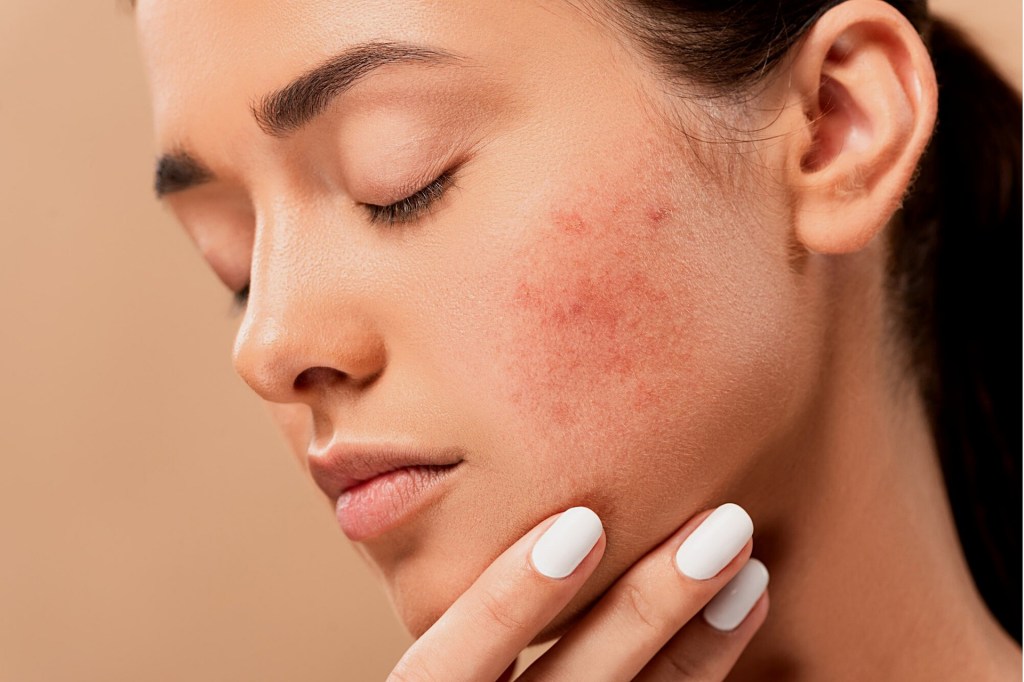
Types:
Hyperpigmentation presents in different forms, each with distinct characteristics:
- Melasma: Typically appears as symmetrical patches of darkened skin on the face, particularly on the cheeks, forehead, and upper lip. Melasma is often associated with hormonal fluctuations and is more common in women.
- Solar Lentigines (Sunspots): These are flat, tan, or brown spots that develop on sun-exposed areas, such as the face, hands, shoulders, and arms, as a result of prolonged sun exposure.
- Post-Inflammatory Hyperpigmentation (PIH): Occurs as a result of inflammation or injury to the skin and appears as dark spots or patches that linger after the initial cause, such as acne or eczema, has resolved.
- Freckles: Small, concentrated areas of increased melanin production that are genetically determined and typically appear on sun-exposed areas of fair-skinned individuals.
Treatment Options:
The treatment of hyperpigmentation depends on its underlying cause and severity. Some common treatment options include:
- Topical Agents: Over-the-counter and prescription topical treatments containing ingredients such as hydroquinone, retinoids, azelaic acid, kojic acid, and vitamin C can help to lighten hyperpigmented areas by inhibiting melanin production or promoting its breakdown.
- Chemical Peels: Chemical peels involve the application of a chemical solution to the skin, which exfoliates the outer layers and promotes cell turnover. This can help improve the appearance of hyperpigmentation by removing the damaged, pigmented cells.
- Laser Therapy: Various laser and light-based treatments, such as intense pulsed light (IPL) therapy and fractional laser resurfacing, can target melanin in the skin and break it down, leading to a more even skin tone.
- Microneedling: This procedure involves the use of a device with fine needles to create controlled micro-injuries in the skin, stimulating collagen production and aiding in the renewal of the skin’s surface, including areas of hyperpigmentation.
- Sun Protection: Since UV exposure exacerbates hyperpigmentation, daily application of broad-spectrum sunscreen with a high SPF is crucial to prevent further darkening of the skin and protect against sun damage.
In conclusion, hyperpigmentation is a common skin condition with various causes and types. Understanding the factors contributing to hyperpigmentation and the available treatment options is essential for effectively managing this condition and achieving a more even skin tone. Consulting with a dermatologist can help individuals develop a personalized treatment plan tailored to their specific needs and concerns.
 About Hyperpigmentation